



Commercial and Industrial Subcontractor
Concrete & Steel Fabrication
General Contractor
How Brownco Construction Doubled Its Field Without Doubling Its Back Office

Company profile
93 employees
Prevailing Wage
Working in
California
- 2x headcount
Doubled headcount without adding back office
- 16 hrs/week
Freed up for payroll admin after replacing paper time cards
- $10,000s
Recovered in change orders and delay claims with Miter Daily Reports
- 80+ crew, 90+ jobs
Scheduled in Miter each quarter
Products Used
Integrations Used

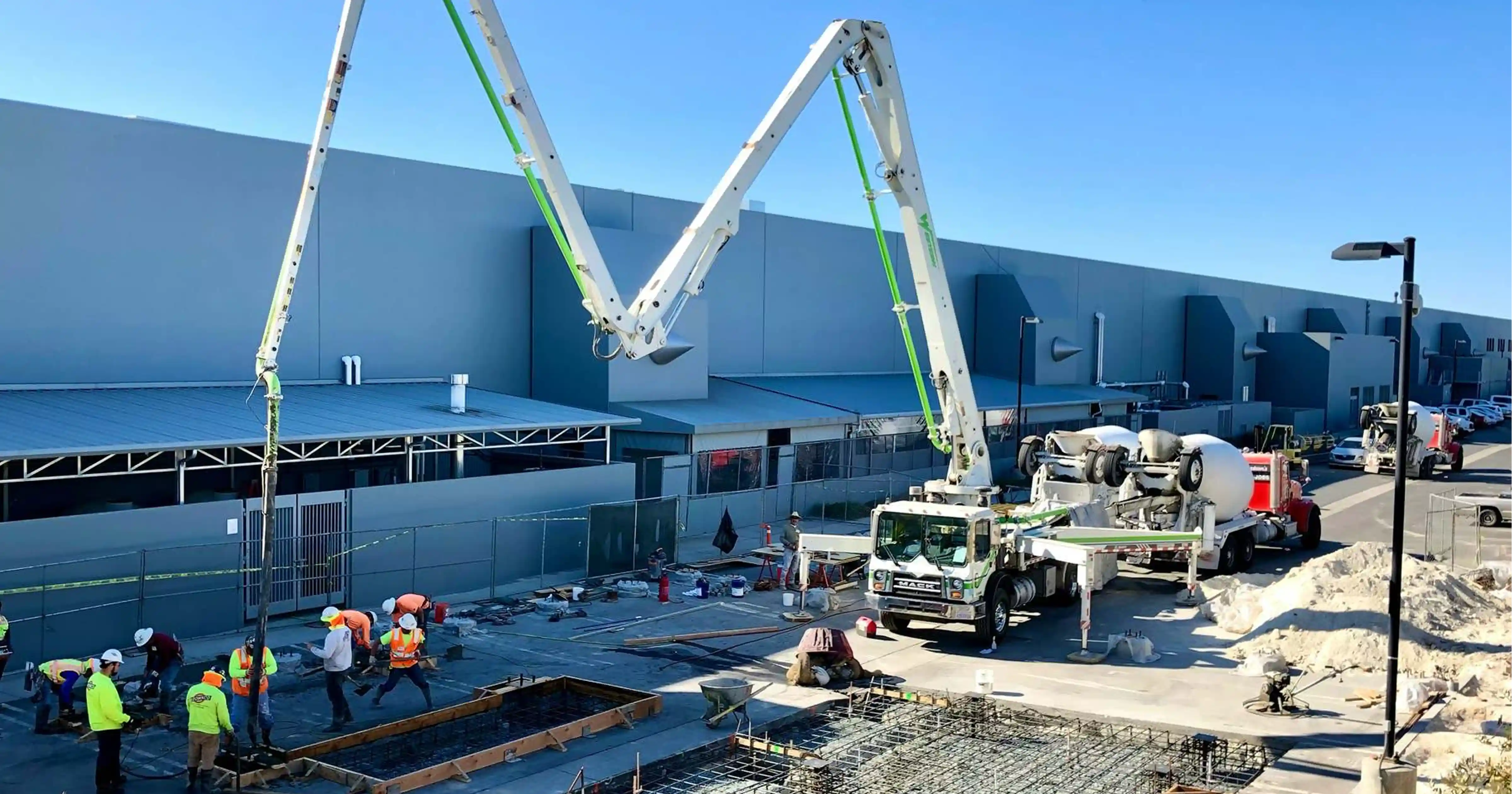
Brownco Construction is a family owned and operated business that has been building in Southern California since 1953. Andrew Brown is the third-generation Brown to lead the company, which started as a cast-in-place concrete contractor and expanded into structural steel fabrication and erection about a decade ago. Today Brownco operates a 10,000-square-foot fabrication shop in Anaheim, employs roughly 93 people, and specializes in complex deep foundation work inside existing, operating facilities. They serve as both a subcontractor and general contractor across commercial, industrial, and public works projects. Recent work includes a three-year methane capture infrastructure project for Glendale Water and Power and construction work for SpaceX, where tight timelines and liquidated damages are the norm.
Key Takeaways:
- Brownco’s field operations ran on handwritten time cards, paper daily report sheets, and a 5:00 AM dispatch call from 1953 until implementing Miter in 2022. Miter replaced all of it with one cloud-based platform accessible from any phone.
- Field data became accurate and real-time for the first time, cutting payroll admin by 16+ hours per week, enabling faster decisions, and eliminating the days of chasing and manual re-entry that came with paper time cards.
- GPS-verified clock-in exposed a consistent pattern of time fraud that paper never could have caught. The data gave Brownco the documentation to act, replaced an unenforceable honor system with verified field data, and helped build a more accountable team.
- Daily reports went from incomplete paper T&M sheets, often lost before they reached the office, to structured, photo-backed records Brownco has used to recover tens of thousands of dollars in change orders and delay claims.
- Brownco started with Miter Time Tracking, then added Scheduling and Daily Reports about a year later. Equipment timesheets followed, with each addition building on the one before it and deepening the job costing picture.
- Brownco has nearly doubled in size since implementing Miter, which is one of the reasons that growth was operationally possible.
The challenge: No visibility into what was happening in the field
Before implementing Miter, crews filled out handwritten time cards every week. Monday through Sunday, start time and end time, and almost every card read 6:00 AM to 2:30 PM, regardless of when anyone actually arrived or left. “Whether they got there at 6:15 or left at 2:15, it was always 6:00 AM to 2:30,” Andrew says. The one exception was overtime. Those were the only cards that ever showed anything different.
Collecting those cards meant chasing people down by text, email, or hand delivery. Once Carla, Brownco’s payroll administrator, had them, she’d verify hours by phone with the operations manager, flag discrepancies, and manually enter everything. That cycle took two to three days, every pay period.
Daily reports were also a problem. Foremen filled out a printed Excel T&M sheet that included who was on site, hours worked, equipment used, and a small notes section. There were no photos and completed sheets didn’t always make it back to the office. “Who knows. There could be some stashed in the back of a foreman’s pickup truck still to this day,” Andrew says.
Brownco moves crews across many active sites simultaneously, on timelines that shift constantly. Before Miter, the only way a crew member knew where to report was to call dispatch at 5:00 AM. “It’s just absolutely wild to think about in hindsight,” Andrew says.
None of it connected. No job cost data came in from the field. No record existed that could hold up in a dispute. The ops team spent meaningful time every week chasing down paper.
Brownco had finally had enough. The old way of hounding people for time cards wasn’t sustainable, and the payroll service provider they’d been working with was slow and unresponsive.They’d already tried switching to a digital time tracking platform before Miter, and that went worse. “We were sold a false bill of goods. It was mayhem for about three months,” Andrew says. The platform wasn’t built for construction, and they eventually cut their losses.
The turning point came when Brownco landed a public works project with Glendale Water and Power that required certified payroll and prevailing wage compliance. They brought in a compliance consultant to help, and she pointed them to Miter. Two days later, Brownco had canceled its previous contract and started onboarding with Miter.

“We were absolutely just done and fed up. And I swear I think it was like two days later we had canceled our contract with that company and started with Miter. We haven’t looked back since.”
Andrew Brown
President, Brownco Construction
Outcome #1: Connected field data, from clock-in to payroll
Before Miter, time tracking, daily reports, and scheduling were three separate problems with three separate workarounds. None of them talked to each other. Data sat in different places, or didn’t make it back to the office at all.
Miter replaced all of it with one platform. Crew members clock in from the field. Foremen complete daily reports on their phones at the end of each shift. Scheduling assignments update daily and reach every crew member before the next morning. It all flows into the same system, in real time.
For Carla, the difference was immediate. The process of chasing down paper time cards, routing them through operations for verification, and entering everything by hand had taken two to three days per payroll cycle. Now Brett, Brownco’s scheduling coordinator, reviews the previous day’s time cards against the schedule each morning, approves them, and they flow straight through to payroll. “At least 16 hours a week of Carla’s time has been freed up. It’s pretty mind-blowing,” Andrew says.
The approval window tightened just as much. Before, a question about who was present on a job on a specific day had to be answered a week later, when no one could remember. Now if there’s a discrepancy, Brett calls the foreman that same morning.
“The guys clock in on their phone. The next morning, Brett verifies the time, approves it, it goes to Carla, and it gets processed through payroll. Like that fast. It’s removed all of the rough edges and it’s allowed Brownco’s operations to run so much more seamlessly.”
Andrew Brown
President, Brownco Construction
Scheduling changed just as dramatically. Brownco is known in the industry for what Andrew calls “one-day wonders” (saw cut, break, remove, and pour back over a Friday night and Saturday) alongside multi-week foundation jobs and long-running projects like Glendale and SpaceX running in parallel. In a typical quarter that means 62 active crew members moving across 92 job sites, with assignments that shift constantly. Under the old system, the only way a crew member knew where to report was the 5:00 AM dispatch call. Now Brett loads crew assignments daily between 8:00 and 11:00 AM. By the time crews clock out for the day, they can check their phones to see where they’ll be the next day with all the necessary information: job number, address, everything.
Outcome #2: Daily reports that recover real money
When Brownco turned on Daily Reports in Miter about a year after going live with time tracking, foremen started completing them on their phones at the end of each shift. The reports capture time, equipment, quantities, work items, notes, and photos. It’s a full, date-stamped record of everything that happened on site that day.
That record has been invaluable. When a general contractor or customer disputes a delay or challenges a change order, Brownco pulls the daily report for that day: who was on site, what equipment was running, what work was in progress, and what conditions looked like, including photos. The photo documentation alone has won disputes that previously had no paper trail.
“I have used Miter Daily Reports to claw back dollars on change orders with general contractors and customers. I kid you not, I have used them to justify tens of thousands of dollars for lost time. It's been incredible.”
Andrew Brown
President, Brownco Construction
Daily reports have also changed how Brownco closes out jobs. When a project wraps, Brownco hands the customer approved plans, signed permits, deputy inspection records, and a full set of daily reports with photos. It’s a level of documentation most contractors and subcontractors can’t offer and it sets Brownco apart.
Outcome #3: GPS clock-in and a more accountable field team
When Brownco first moved to digital time tracking, they let crews enter hours manually in the app. The numbers looked the same as before. Everyone still entered 6:00 AM to 2:30 PM. The format had changed but the accountability hadn’t.
“We still weren’t getting the real data. There are dollars that just get lost in the whole unaccounted-for timekeeping process,” Andrew says.
Moving to actual clock-in and clock-out, then adding GPS verification, changed what was visible. A group of crew members was clocking into jobs miles from the actual site. Brownco had documentation it had never had before, and it acted on it.
“We full-blown had guys covering for each other – clocking into the job site 30 minutes away on the freeway – and we would have no clue how long it had been going on. It helped us weed out some bad apples and save a substantial amount of money.”
Andrew Brown
President, Brownco Construction
GPS verification set a new baseline. Every clock-in is now tied to a location and every assignment is visible. Brett can see in real time whether someone has clocked into their scheduled job, and if they haven’t, it surfaces that morning rather than turning up as a gap in a time card a week later.
Outcome #4: A platform that grows with the business
Brownco started with Time Tracking, added scheduling and daily reports a year later, then added equipment timesheets. Once the crew was using the app daily for time, adding scheduling was an obvious next step. Daily reports came next, once they realized the same device foremen were already using for time could capture the full day on site.
None of it was a planned rollout. Each addition happened because the one before it worked, and adding the next workflow made sense since their teams were already comfortable with the app. With Miter, Brownco is able to keep adding solutions to meet their business needs.
Brownco now tracks 27 pieces of equipment and has logged more than 1,350 equipment timesheets. Labor and equipment flow into the same 25 cost codes, all captured in the same app. The result is a job costing picture Brownco couldn’t build with paper, and one Andrew is leaning on for bidding future work.“Historical data is how you bid large jobs. What did this cost in the past? We’re trying to get ourselves to a point where the data can really help us bid future projects,” Andrew says.
Most Brownco employees were already on a smartphone all day, so the app itself was familiar. The bigger shift was moving away from the paper process the company had relied on for 70 years. Superintendents took to it quickly, since the real-time visibility into crews and assignments made their job easier from the start. Foremen and longer-tenured crew members had more of an adjustment, but some of the ones who pushed back hardest are now, as Andrew puts it, “living and breathing by their ability to clock in on their phones.”
“People don’t always take things seriously until they realize how serious you are. What was met with resistance is now the lifeblood of how we do just about everything here.”
Andrew Brown
President, Brownco Construction
The impact: Cleaner data, less chasing, and a field that runs on one app
The data the company depends on is now accurate, searchable, and trusted. Every clock-in is GPS-verified and job-coded. Daily reports are date-stamped and searchable. When a question comes up about what happened on a specific job on a specific day, the answer is in the system. PMs, payroll, and ops leaders all have access to the same real-time data so they can work with confidence their paper system couldn’t provide.
Brownco has also grown from roughly 45 employees to more than 93 since implementing Miter, without adding the back-office overhead that kind of growth would have required under the old system. Andrew credits Miter with making that growth manageable.
He is also clear about what determines how much value you get from the platform: “You get out of it what you put into it. If you just want it to be a payroll service or a time tracking tool, that’s all it will be. But there are so many things you can do with it that I’m still discovering,” he says. Brownco has leaned into all of it.
“I would definitively say that our involvement with Miter has helped us grow. It has freed up time for our admins to do their jobs rather than chase people down for time cards. It’s helped Brownco become more profitable.”
Andrew Brown
President, Brownco Construction
When discussing Miter, Andrew doesn’t hesitate to share his experience and can’t imagine going back to the way things were done before. At a golf tournament earlier this year, Andrew and Brett spent part of an afternoon with a contractor they’d just met, talking through what Miter has done for Brownco. By the end of the conversation, Andrew was pretty sure they’d sign up.
“Take the leap. And don’t look back. Because it will totally revolutionize the way that your business is running. That’s what it did for Brownco. When we do look back, we laugh about why we didn’t do it sooner.”
Andrew Brown
President, Brownco Construction
With Miter, Brownco has a strong field ops foundation to support whatever comes next.
Share this article
Frequently asked questions
Ready to supercharge your back office?
Get a demo Get a demo