How to conduct a construction safety audit: A contractor’s guide
Blog
Compliance

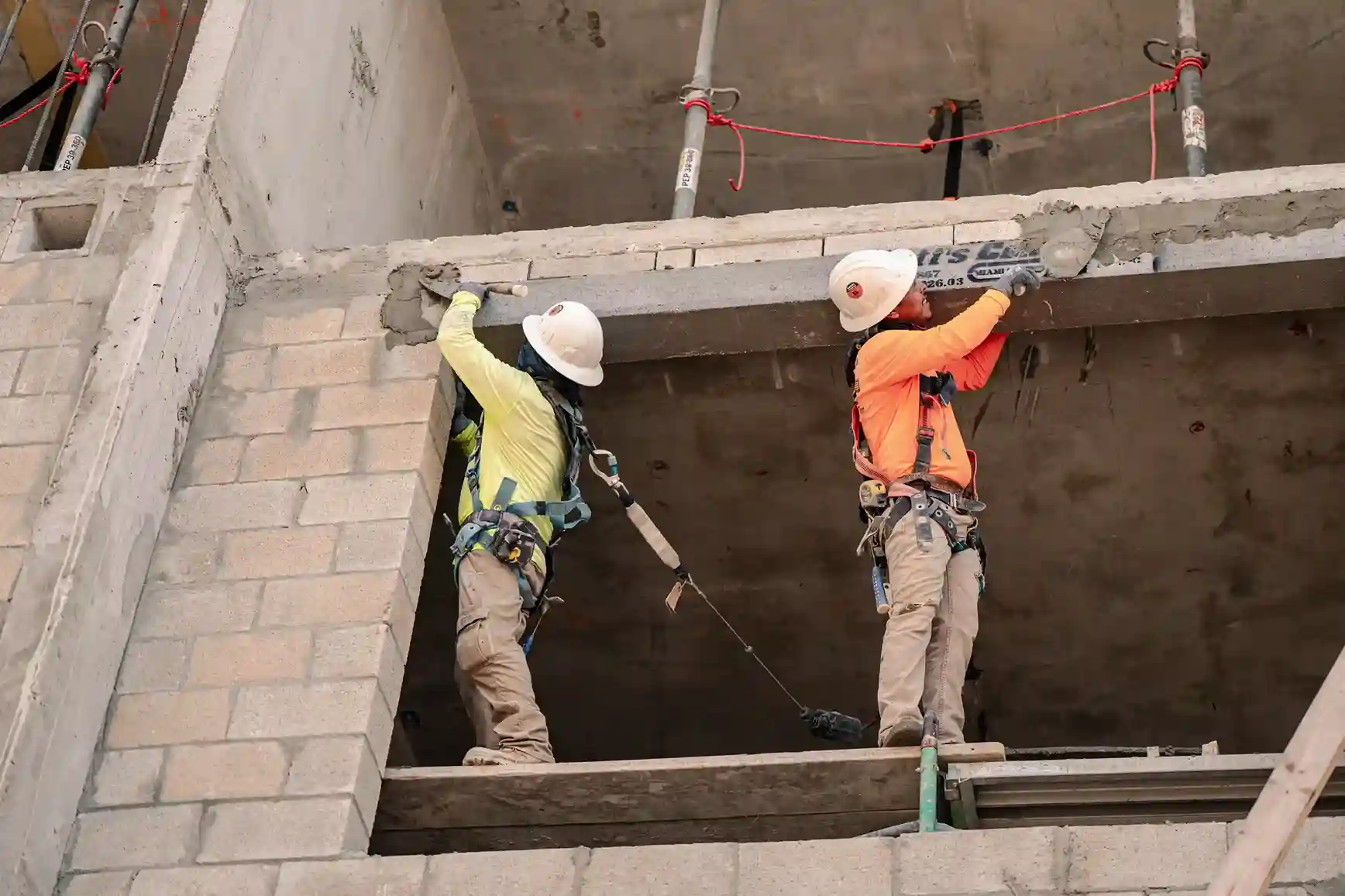
A company safety policy can set baseline standards that apply to every project. But it can’t account for environmental factors, trade sequencing, utility lines, and other site-specific variables. A high-rise build in a dense urban center means crane picks over occupied sidewalks. A highway expansion means live traffic a few feet from the crew. The same manual can’t govern both.
Site-specific safety plans solve this problem by providing a framework project teams can actually execute on the ground. When safety guidelines, procedures, and warnings align with a single job’s actual conditions, these plans reduce incidents so crews are safe and contractors are compliant.
This guide covers what safety plans are for and how operations leaders can build a repeatable process to implement them across every jobsite.
A site-specific safety plan (SSSP) (sometimes referred to as a project-specific safety plan) is a pre-construction document detailing the safety procedures and anticipated risks for a single jobsite.
Unlike a broad corporate manual, a jobsite safety plan tailors safety protocols to one project’s specific scope, environment, and crew. General contractors (GCs) or prime contractors draft the main SSSP before mobilization. For public works or high-risk commercial contracts, owners typically require an approved SSSP before machinery enters the site.
Subcontractors have to comply with the overarching plan. They’ll also usually submit their own scope-specific safety components (like specialized rigging plans or hazardous material handling procedures) as addendums to the master document.
Relying on a generic company-wide safety policy introduces operational risk, especially on complex jobsites. General documents can’t anticipate localized hazards like overhead power lines or unstable soil conditions, and a GC’s master plan often misses the specific risks each subcontractor faces. Those gaps can result in worker injury and illness.
But protecting workers isn’t the only reason to use a site-specific construction safety plan. SSSPs are also necessary for:
An SSSP sets ground rules before mobilization, but its real job is to govern daily field operations. The plan provides the baseline criteria that supervisors use to execute everyday safety processes.
This information shouldn’t sit static in a binder. As a project progresses through different phases, the safety team updates the plan to address the hazards of each new scope. When field crews run morning toolbox talks or fill out task-specific job safety analyses (JSAs), they’re executing the exact protocols defined by the master SSSP, so the plan has to reflect current site conditions for those talks to mean anything.
The major advantages of a project-specific plan include:
While the depth of the document may vary based on project complexity, a strong SSSP features these core elements.
Every SSSP should open with these basic details:
This section details the specific risks associated with the project scope and defines exactly how the field team will control them. Operations teams use a formal hierarchy of controls to systematically mitigate risk, prioritizing elimination and engineering controls over basic rules. For instance, teams may bring in a licensed abatement contractor to remove asbestos ceiling tiles rather than have crews work around them, even carefully.
This section establishes accountability, outlining how the team documents incidents, who conducts interviews, and how supervisors perform root-cause analysis. It also describes how lessons learned will impact corporate safety updates.
This section determines mandatory personal protective equipment (PPE), which is specialized gear worn to mitigate jobsite hazards. This part of the SSSP should list baseline site attire alongside task-specific requirements like specialized fall arrest harnesses, welding shields, or respirators.
The SSSP documents the mandatory certifications required for the project, like OSHA 10/30 cards, crane operator licenses, and forklift certifications. It also details how the safety team will conduct site-specific safety orientations.
This section defines the frequency of site safety audits, identifies who’s responsible for executing them, and establishes how the team tracks corrected hazards to closure.
The SSSP must describe chemical hazards and ways to handle them safely. This section typically covers where the team stores safety data sheets, how workers should label chemical containers, and how supervisors train teams to handle hazardous substances.
An effective plan outlines the specific safety duties of key personnel. This includes the project manager, site superintendent, field foremen, safety officer, and individual field laborers.
This section establishes what documentation trade partners must submit before mobilization, like their own specialized JSAs, training rosters, and certificates of insurance. It also clarifies how their field operations will integrate with the GC’s safety framework.
This component lists the exact locations of first-aid kits, automated external defibrillators, and eye-wash stations. It also discloses the specific personnel on site who hold certifications in CPR and advanced first aid.
The emergency action plan defines how the entire site responds to major crises. It includes clear evacuation routes, designated assembly points, fire safety response protocols, severe weather procedures, and the fastest route to the nearest hospital or emergency care facility.
Here’s how construction companies create a final document that protects the field crew and satisfies compliance:
While SSSPs are the foundation, teams enforce ongoing safety through daily field execution. Toolbox talks, JSAs, and incident reports provide the real-world information crews rely on. But managing these processes through spreadsheets and disjointed legacy systems creates significant administrative roadblocks.
Miter solves this by embedding field safety workflows directly into the same platform that manages time tracking and HR. Sync total hours and field incident data to calculate TRIR and DART rates and track OSHA-recordable injuries, then export your OSHA 300/300-A/301 reports for OSHA recordkeeping. Miter centralizes employee safety data in accessible profiles, including meetings attended, incidents, and safety checklist submissions.