Behavior-based safety: How to reduce construction incidents
Blog
Safety

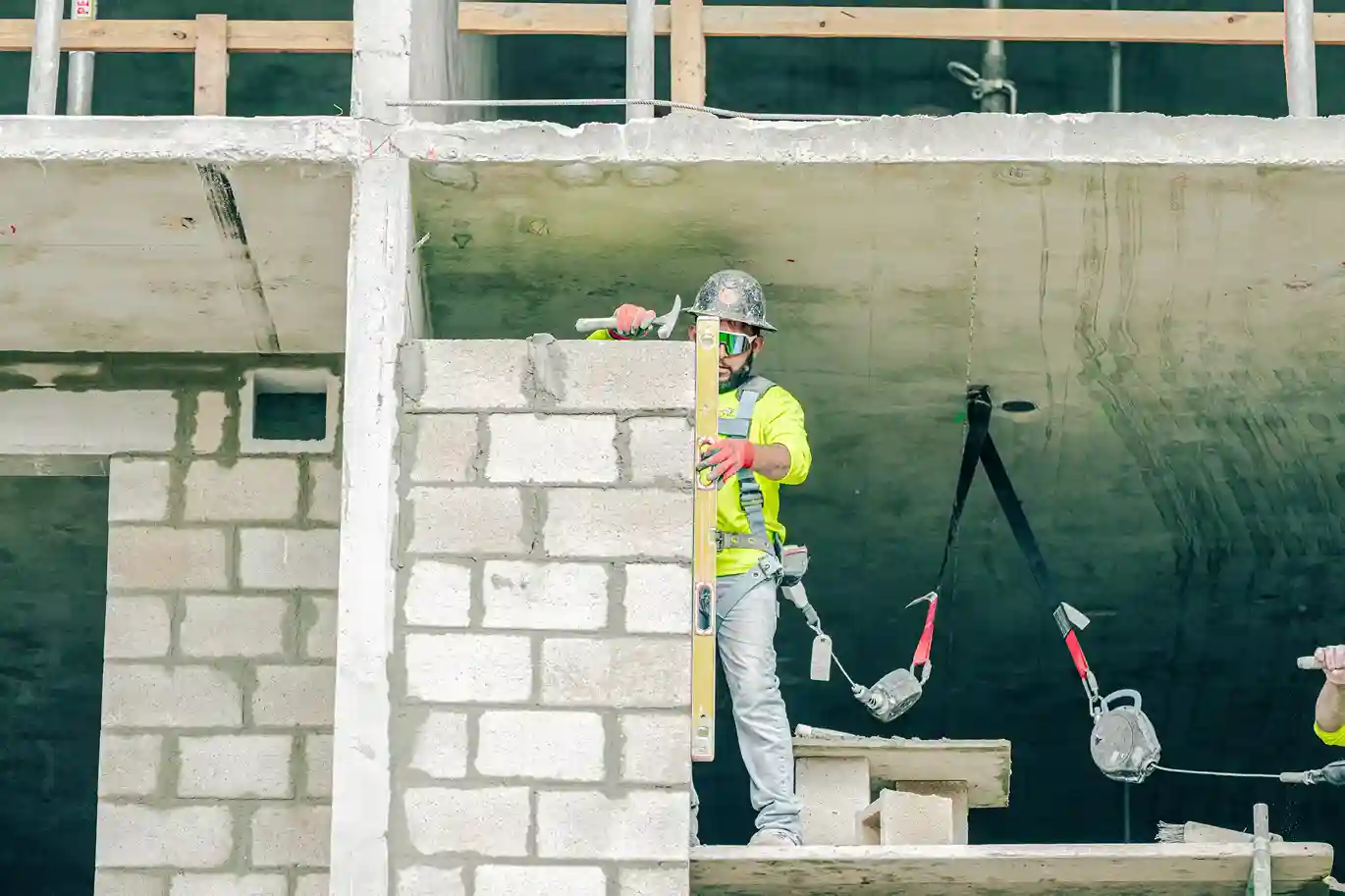
Safety programs give contractors a solid framework to prevent injuries. But daily on-site behavior determines whether that framework actually works in practice.
Building safety into a workplace culture protects everyone on the job. When workers understand the “why” behind rules, they’re more likely to make better decisions in the moment and create daily habits that improve safety without slowing down projects.
In this article, we’ll explain how to create a construction safety culture, with practical steps to avoid risk and improve practices across jobsites.
Workplace culture reflects the daily attitudes and behaviors of a crew, and a construction safety culture embeds safe practices and habits into the work environment.
To achieve this, safety culture blends measurable elements, like written policies and procedures, inspections, and personal protective equipment (PPE) usage, with less visible factors like risk attitudes and team priorities.
But policies alone don’t create culture. Contractors bridge that gap through consistent reinforcement: holding toolbox talks, recognizing workers who follow safe practices, and addressing unsafe behavior immediately. Over time, these repeated actions reinforce safe behaviors and teach workers to build them into their daily habits and conversations.
This transforms abstract safety programs into reliable, real-world protection. Ultimately, two contractors can have identical policies on paper, but culture is what makes one safer than the other in practice.
A strong safety culture does more than prevent injuries; it shapes cost, schedule, and reputation across the whole project. Here’s why safe construction practices matter:
From safety training to inspection checklists, here are some of the main practices to build into construction culture:
Beyond a poor safety culture, here are some of the most common organizational risks that can impact a workplace’s safety practices:
Worker safety should be at the top of every leader and supervisor’s daily checklist. Beyond protecting everybody on site and saving money in the long run, a strong safety record proves to stakeholders, project owners, and OSHA that the company prioritizes compliance and professionalism.
Below are nine recommended construction safety tips and best practices for a better culture.
Building a safety culture at a construction company starts before the job even begins. Conduct JHAs, post them in the work area, and make adjustments when the weather and site conditions change so everyone knows how those changes might affect their work. This practice makes it easier to track potential hazards and plan alternative steps long before an incident occurs.
Toolbox talks are short, daily safety meetings that communicate the shift’s scope and potential risks. They keep workers informed and aware without disrupting the project schedule. To maximize their impact, focus each talk on task-specific updates and actionable instructions.
Lagging indicators measure the outcomes of previous events and incidents. The most common are TRIR (total recordable incident rate), DART (days away, restricted, or transferred), and days since the last LTI (lost time injury). Leading risk indicators, like near-miss rate and open corrective actions, work differently. They track patterns to predict where future incidents are likely to occur before they happen.
Tracking both metrics gives construction leaders a holistic view into potential hazards. To get started, choose a few that are directly relevant to the current project scope, and use them to set actionable safety goals.
On top of leading and lagging indicators, track the near-miss rate per 1,000 hours worked. While near-misses indicate that a worker was briefly in danger, a high reporting volume shows that the crew recognizes hazards and feels confident reporting what happened.
This metric is highly predictive for serious injury prevention, as a rising number usually indicates an improving safety culture. Keep this data accurate by offering straightforward reporting tools and emphasizing that speaking up will never result in retaliation.
When an incident does happen, supervisors and field crews should know what actions to take. Standardize response protocols and documentation across every jobsite. Ideally, every recordable incident should include a root cause analysis, a list of responsible and involved parties, a corrective action, and a closeout date. This documentation gives leaders the information needed to prevent repeated injuries.
The Bureau of Labor Statistics (BLS) publishes construction-related average numbers, including TRIR and DART, under NAICS-23 and injuries, illnesses, and fatalities (IFF). Companies should benchmark every field statistic tracked internally against the industry average and historical in-house numbers. This comparison shows leaders where they stand and highlights areas that need improvement.
Workers should feel empowered to say “no” when a situation feels unsafe. Ensure the entire crew is aware of their stop-work authority, meaning they can halt dangerous work without fear of retaliation. Write a clear, accessible policy, and actively encourage employees to speak up.
Involve field workers directly in shaping their own safety standards. Because they often know the jobsite better than management does, they’re more likely to spot critical risks.
Establish a voluntary safety committee that empowers workers to refine safety standards and design hazard reporting systems that actually make sense for the site. Hold regular meetings, and give everyone the chance to speak. When management acts on worker input, the crew stops treating safety as a top-down mandate and starts taking ownership of it.
Burnout and fatigue are often linked to an increase in jobsite incidents and injuries. Prioritize reasonable scheduling, and push back against practices that overwork employees, like 60-hour weeks, schedule compression, and end-of-shift rushes.
While manual processes and paper documents offer a starting point, digital solutions help scale operations more effectively. Implementing dedicated safety platforms and mobile apps can streamline reporting, minimize administrative errors, and seamlessly integrate safety protocols into everyday field work.
Here are several ways technology can support a proactive safety culture:
Building a proactive safety culture starts with the right operational software. Miter Safety consolidates safety data, from risk assessments to inspection checklists, into a single platform. Field teams can create and run toolbox talks, document hazards and unsafe behaviors, and complete safety protocols directly from the field, all in one system.