A guide to incident reporting in construction
Blog
Labor regulations
Safety
Workforce compliance

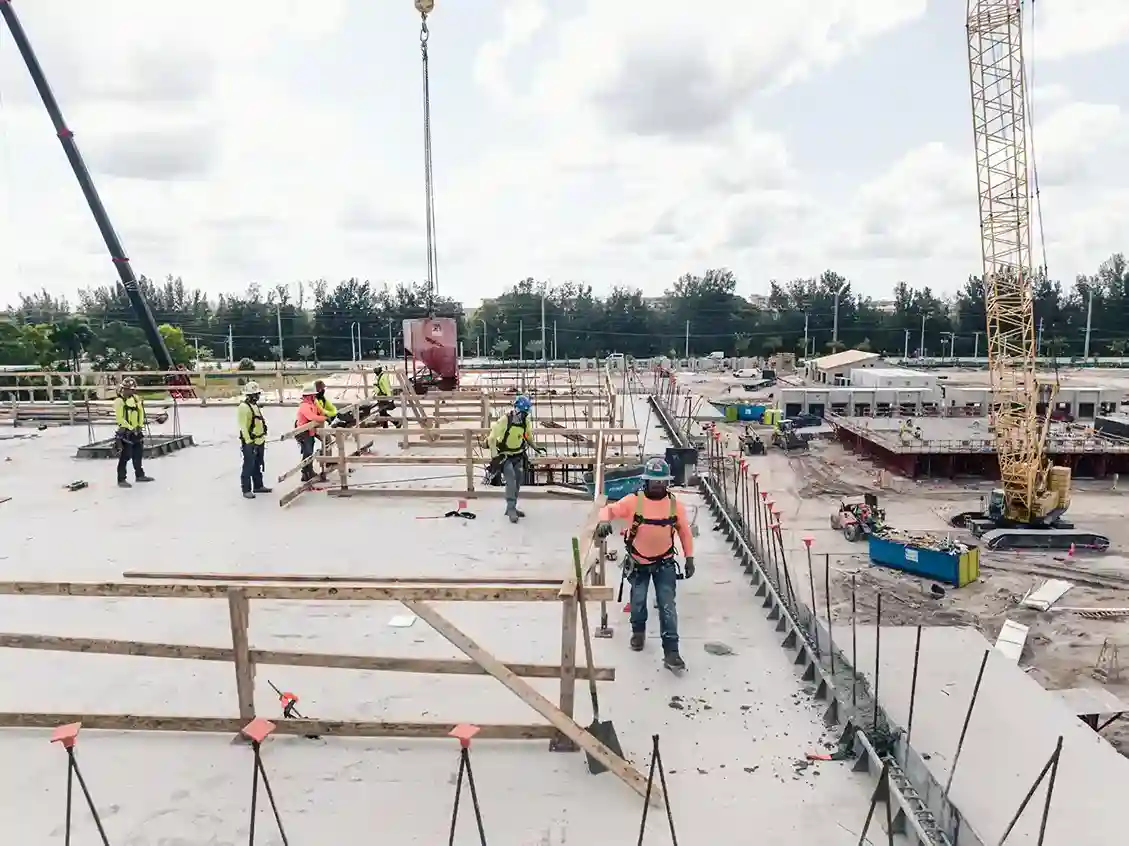
Keeping OSHA records is required for construction firms over a specific size threshold. Contractors need to log recordable injuries and illnesses to comply with inspection and insurance audits. More than that, though, accurate logs highlight where and how crews are hurt most often. With that information in hand, leaders can address hazards before they cause more injuries.
This guide explains how OSHA 300 log requirements work. Read on to learn which types of incidents are recordable, how to comply with posting and reporting rules, and how the right software helps contractors manage OSHA compliance.
An OSHA 300 log is an ongoing record employers use to document work-related injuries and illnesses that OSHA classifies as recordable. These paper trails note key details about the type of injury or illness, affected body parts, and consequences for the employee’s work life.
There are several types of OSHA 300 forms. Together, they form a complete recordkeeping system. Here’s a breakdown of how they work:
OSHA recordkeeping involves two separate obligations, and mixing them up is one of the most common compliance mistakes contractors make. Here’s the difference between the two:
The rule of thumb: Every reportable event is also recordable, but most recordable incidents stay in company records and never get called in.
OSHA lays out general recording criteria in 29 CFR §1904, and employers generally must record any workplace injury or illness that meets them.
Employers with 10 or fewer employees, including contractors, are an exception. They don’t have to keep OSHA 300, 300A, and 301 Forms unless specifically instructed by OSHA or the Bureau of Labor Statistics (BLS). But they must still report severe incidents, such as deaths and hospitalizations.
OSHA exempts a handful of low-hazard industries, such as retail and insurance, from maintaining these forms (but not from reporting severe incidents). This is called a partial industry exemption. Construction isn’t on the partially exempt industry list, so any contractor above the size threshold must maintain all three forms.
Even if a non-exempt employer has no recordable incidents during the calendar year, they’re still required to complete and publicly post Form 300A to certify and document their annual injury and illness totals.
Here’s a look at some of the most common incidents and outcomes that trigger OSHA recordkeeping requirements.
Employers must record work-related fatalities in the OSHA 300 log, as well as report the incident to OSHA within eight hours.
If an incident results in an employee losing consciousness, the employer must record it, even if the employee ends up returning to work. Direct reporting to OSHA isn’t required.
If a work-related injury or illness keeps an employee from coming back to work, the employer must record the incident and the number of missed workdays. They don’t have to report it to OSHA directly.
When an incident leads to a restriction of duties or reassignment to a different role, employers must record it in their OSHA logs. But they don’t have to report this information.
If an incident requires medical treatment, compliance depends on the type of treatment required. If OSHA classifies the treatment as first aid, the incident is neither recordable nor reportable. First aid includes:
Anything not on OSHA’s first-aid list, such as stitches, prescription medication use, and physical therapy, is recordable but generally not reportable.
Any serious injury or illness diagnosed by a licensed healthcare professional is recordable, even if it doesn’t result in an outcome that requires reporting, such as death or missed workdays. This includes:
Contractors don’t have to post the entire OSHA 300 log, but they must post the 300A summary to maintain full compliance. Here are the core obligations.
Reporting an incident to OSHA directly (versus simply recording it) is only required under specific circumstances.
Incidents don’t happen when and where they’re most convenient, particularly in construction. They happen in the field and across jobsites, under different supervisors and during different projects. Because of this unpredictability, paper form-filling and disconnected systems aren’t enough for contractors who want to get everything right, especially if an inspection or an insurance audit comes up.
Modern construction workforce software like Miter replaces disorganized spreadsheets and cluttered filing cabinets with a single platform. Field crews can report an incident from the app the moment it occurs, complete with photos, witness statements, and voice-to-text. Each injury record captures the details the OSHA 300 log asks for, including treatment received and whether the employee missed days, worked restricted, or transferred roles. So the records feeding your log stay consistent across crews and supervisors. Incident reports download as PDFs for easy handoff to GCs or OSHA, and OSHA-standard rates like TRIR and DART are calculated automatically from incident and timesheet data.
Miter Safety brings OSHA recordkeeping into the same system contractors already use for payroll, HR, and time tracking. Compliant recordkeeping becomes just another part of how well-oiled field operations work.
Employers must enter OSHA-recordable injuries and illnesses in their OSHA 300 logs within seven days. The timer begins when the employer learns of the incident, not when the incident takes place. This is important to track in construction, where field crews may report an incident days late, an injury treated as first aid on-site can become recordable when a doctor prescribes medication or physical therapy, or the contractor only learns about an incident when the workers’ comp claim comes in.
Employers must maintain Forms 300, 300A, and 301 for five years after the end of the calendar year the records cover. If classifications or details change during the retention period, employers must update them accordingly.
Three groups have a legal right to access OSHA 300 logs: employees, former employees, and authorized representatives. Employers must provide the logs by the end of the business day following the request. They also need to maintain privacy for cases where OSHA requires names to be omitted.