Site-specific safety plans: A guide for contractors
Blog
Safety

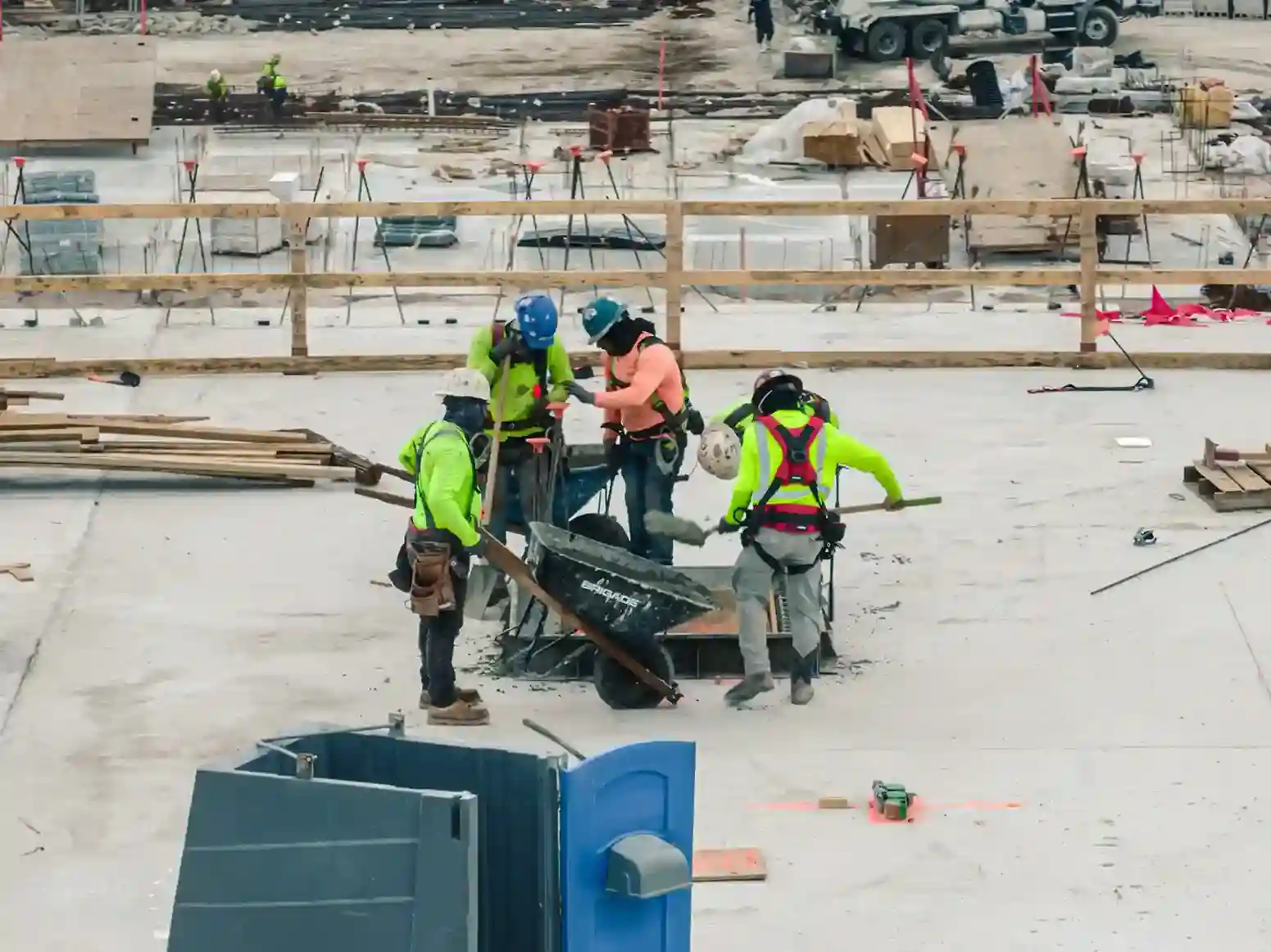
Construction projects come with inherent risks, from material shortages and compliance failures to safety incidents and environmental hazards. When left unaddressed, these can derail project delivery and put workers in harm’s way.
Contractors need repeatable systems that hold safety and quality steady from preconstruction through closeout. Construction risk management is the proactive framework that helps contractors mitigate these risks and keep budgets, timelines, and safety on track through every phase of construction.
This guide covers common on-site risks and explains how to correct each one.
Construction risk management is the structured protocol contractors use to pinpoint and address potential events that may impact the success of a project.
In this context, a risk is anything that may negatively affect a project’s cost, schedule, and safety. Effective risk management is an ongoing process that threads through the initial planning stages to project closeout.
Proper risk management in construction projects supports efficiency and helps firms stay compliant across job phases. The primary benefits include:
To develop an effective risk management plan for a construction project, contractors need to first identify the common risks that send jobs off course. While each jobsite is different and should be evaluated according to its own hazards and operational vulnerabilities, there are some broad risk categories that run through most projects.
Construction is frequently cited as one of the most dangerous industries for workers, ranking number one for workplace deaths according to the National Safety Council. Even on the safest and most well-equipped sites, crews are working with heavy equipment in unpredictable environments. This results in some inherent safety risks, including:
On top of the ethical concerns about worker safety, risk management is also critical to OSHA compliance, which shapes jobsite standards and carries hefty penalties for serious violations.
Financial risks can quickly lead to cost overruns and cash flow issues. These often stem from poor or incomplete forecasting, but they can also come from unexpected economic or project-specific conditions such as:
Legal pitfalls and disputes between stakeholders can have a serious impact on project success. Without proper contract risk management, contractors may run into:
Noncompliance with payroll or safety regulations can also result in legal consequences and may bring financial penalties and reputational damage.
Construction companies need to proactively analyze and plan for potential delays before they impact project timelines.
Common schedule risks include:
Failing to plan for schedule risks can result in delays and stoppages that may leave crews idle and push back project delivery.
There are a number of often-overlooked risks revolving around the technical aspects of project design, including:
These design and engineering issues often originate from mistakes during preconstruction. Conducting thorough site analysis and collaborating early with owners and architects can help mitigate these risks.
Unpredictable external risks can impact project schedules, timelines, and worker safety. Examples include:
Many environmental risks are only uncovered during site preparation or construction. Soil may shift during excavation or asbestos may be discovered during demolition. Contractors need to conduct a job safety analysis (JSA) to evaluate potential jobsite hazards before construction starts and develop structured emergency response measures to prevent environmental risks from derailing the project.
An effective risk management plan consists of structured phases that address construction-specific hazards and operational pitfalls. The process is designed to help leaders identify and mitigate risks before they occur. Not all plans are identical, but they should cover these five bases.
The first step is to analyze project conditions and identify possible risks and where they might surface. This process typically involves:
Risks aren’t all equal in terms of likelihood or severity, so it’s important for contractors to evaluate each risk according to probability and consequence. Assess risk likelihood using recordable incident rates and historical data, and evaluate impact with something like a standardized risk matrix. This allows key decision-makers to focus on the most pressing risk first and appropriately allocate resources for management strategies.
Once a contractor has established probability and impact, they must then use their findings to prioritize the most likely risks and develop the appropriate response for each.
Most risk response strategies fall into one of the following categories:
A clear structure of accountability makes sure every decision-maker knows what they’re responsible for. Each likely or significant risk should come with a specific person responsible for overseeing the action plan and taking responsibility for the consequences.
For example, a dedicated safety officer may be tasked with day-to-day site checks to flag violations and conduct safety meetings with crew members. Similarly, a project manager may take primary responsibility for schedule management and milestone completion.
Risk management is an ongoing process, and maintaining proper procedures and protocols is a core responsibility throughout every phase of a project. Site conditions are dynamic and can change over the course of a project, which means risk assessments and mitigation strategies need to change with them.
Contractors must consistently monitor risks, update their severity rank, and review management procedures to align responses with actual project conditions.
Every construction project is unique, but there are some common challenges contractors frequently run into.
When construction teams don’t take the time to develop detailed response plans, crews are left unprepared when something goes wrong. A reactive approach is more likely to result in further risk and more damaging delays. Workers should have the tools necessary to respond to unexpected conditions.
Scope gaps between trades show up in the field unless the owner, engineer, and every sub walk the drawings together during preconstruction and settle who owns what. This is the best way to avoid unnecessary disputes that result in budget constraints and scheduling issues down the line.
Automated software platforms support greater safety and efficiency. But some contractors and employees may resist adopting them, especially if it means changing the way they approach key tasks.
Not taking advantage of new technologies and better, more innovative processes can leave construction companies reliant on outdated response protocols. Paper timesheets, handwritten job hazard analyses, and toolbox talks logged on a clipboard slow the job down and leave gaps nobody catches until an audit.
Changing project scope and shifting site conditions can make existing risk management strategies ineffective. This is why monitoring risk assessments consistently and altering strategies to reflect current needs is so important to the success of a project.
Full risk mitigation can come with significant investments of time and resources. While those investments are necessary when it comes to high-impact risks and worker safety, it’s important to balance costs with the long-term practical benefit of each procedure. For some minor risks that won’t actually impact project success, major training programs or extensive mitigation processes could do more harm than good, especially financially.
In some cases, the biggest risks to a project are outside of a contractor’s control. Natural disasters or sudden economic downswings can throw projects off course. Although it’s impossible to completely prevent these hazards, firms can build resilience through strong contingencies and effective emergency response protocols.
Effective construction risk management requires structure and discipline from every crew member. Construction leaders need a reliable framework for identifying and addressing major risks if they want to ensure project success and avoid costly compliance and safety failures. Having the right tools at their disposal is key.
Miter is an all-in-one construction management platform that connects incident reporting and hazard tracking with payroll and workforce processes. With Miter’s Safety Software, supers run toolbox talks with electronic signatures right from the daily report, crews log hazards and near misses from their phones, and safety leads track investigations while TRIR and DART rates update on one dashboard. Miter offers the tools contractors need to start building with confidence.