How to conduct a construction safety audit: A contractor’s guide
Blog
Compliance

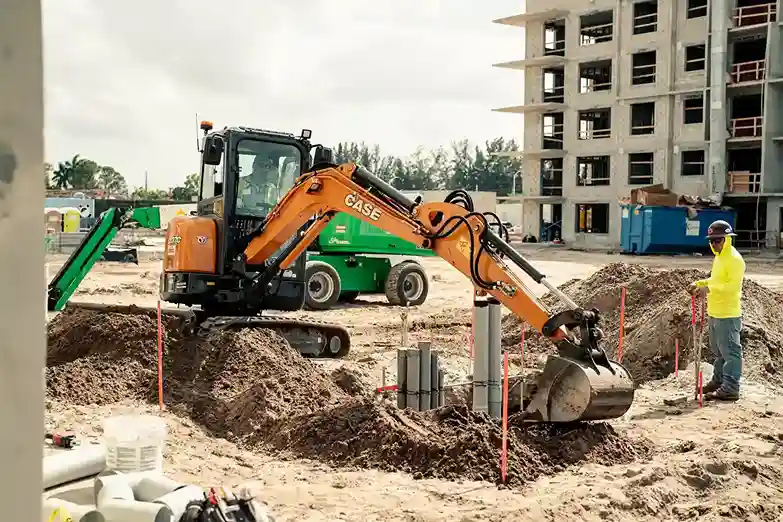
Construction jobsite conditions change constantly as active crews move equipment, begin new tasks, and face unpredictable weather. Without a dynamic way to track these changes, temporary setups like an unlit excavation hole or a shaky scaffold can become life-threatening hazards that lead to serious injuries and shutdowns.
A construction safety checklist sets clear criteria for each jobsite and records who must correct a flagged issue. Used consistently, it supports OSHA compliance and gives operations leaders a record of completed safety work.
This guide explains what to include in a construction safety checklist and how often teams should inspect the site. After covering training and common violations, we’ll explain how to update the checklist as work progresses.
A construction safety checklist is a written or digital inspection form that lists the safety conditions a reviewer must examine on a jobsite. Each item covers a specific hazard or safeguard, such as fall protection or equipment condition. The reviewer records whether the site meets the requirement and notes any issues that need correction.
A construction site safety checklist template gives contractors a standard format for comparing inspections across projects and recognizing problems that keep returning. Those patterns often point to a weak procedure or a training gap that needs addressing.
Many contractors use mobile devices to add photos and submit checklists from the field. Digital submission makes completed forms available for review as soon as teams finish the inspection.
An OSHA construction safety checklist turns federal safety requirements into checks for the work underway. Here’s how that process affects worker protection and project performance:
An effective OSHA jobsite safety checklist matches the hazards present during the current project phase. For example, roofing work requires close attention to fall exposure, while excavation work calls for checks on protective systems and access. Contractors then set the inspection schedule based on how quickly those conditions change.
Rather than relying on a single, massive form, contractors layer their inspections to keep each check focused and reduce checklist fatigue:
The checklist itself covers eight main areas.
The superintendent starts each inspection by walking surfaces and access routes to ensure clear and orderly pathways before work begins. They check housekeeping and material storage before reviewing active work areas. Clear signs and barriers keep crews away from restricted areas, while adequate lighting helps them work safely.
During morning prep, the superintendent notices that overnight rain turned the haul road into a mud trench. They order gravel laid down over the muddy area to reduce the risk of slip and fall accidents.
Superintendents confirm that each worker has PPE that matches the task and fits properly, examining its condition, verifying correct use, and removing damaged items from service.
On a demolition floor where crews break up concrete, a superintendent checks that workers are wearing ANSI-approved safety glasses and properly fitted respirators to block harmful dust. If they spot a worker wearing cracked glasses, the super immediately pulls the equipment out of service for replacement.
Operators and workers complete required pre-use checks and report defects. Superintendents inspect guards and power cords before work begins. They apply the same process to vehicles and heavy equipment. A qualified person must repair unsafe equipment before crews return it to service.
For example, a worker checking a circular saw who finds a stuck plastic blade guard will tag the tool out of service until it’s fixed.
Workers and competent persons check open edges and floor holes for required protection. They also examine ladders and scaffold setups. A competent person must inspect scaffolds before each work period and after an event that could affect structural integrity.
On a multi-story steel frame project, the competent person checks that floor openings for future HVAC shafts are covered with plywood capable of supporting twice the intended load, marked HOLE or COVER, and put back after every material drop.
Superintendents also review container labels and chemical storage, confirming that crews can access the correct Safety Data Sheet (SDS) throughout the workday. OSHA allows electronic SDS records when workers can open them without delay.
The super checks that the original manufacturer container’s label for fast-drying epoxy is intact and legible before painters use it. If a worker accidentally gets some of the chemical in their eye, the site safety manager can pull up the SDS instantly to read the required emergency eyewash procedure.
Superintendents walk evacuation routes and confirm that exits remain accessible. They check first-aid supplies and fire extinguishers. Supers also post current emergency contacts where employees can find them quickly.
A super walking the storage area of a highway paving project might discover a heavy stack of rubber traffic cones leaning on a fire extinguisher. They must move the materials immediately and verify that the fire extinguisher’s pressure gauge is in the green zone.
Each checklist item gives inspectors space to describe a problem and its location. Superintendents then assign the required fix to a responsible person and set a deadline. They close the item only after verifying the completed work.
For example, a super finds an ungrounded extension cord plugged into an outlet. They write down the exact defect and location in the notes, assign the fix to an electrician lead with a morning deadline, and check the item off only after physically confirming the electrician replaced the cord.
Superintendents record the project and date for each review. They identify themselves and attach photos when those images clarify a finding. Supers share urgent issues with the affected crew, while operations leaders store completed forms for future OSHA compliance reviews.
A roofing super completing an inspection on a tablet can take a timestamped photo of a newly installed roof anchor and harness tie-off point. They can then sign off digitally so the software automatically stores it for easy access if an OSHA compliance officer requests it months later.
An inspection checklist produces reliable results when teams use it consistently and close every flagged issue. Here’s how operations leaders can establish that consistency with OSHA standards.
While teams usually start with a standard construction checklist template, they should add items that match the project scope and active trades. For instance, a checklist for hot work may verify the fire watch and the removal of combustible materials from the work area.
Superintendents should explain the form during onboarding and reinforce its requirements in construction safety meetings. A job safety analysis (JSA) can show crews how each inspection item relates to a specific task. Training requirements depend on the work and applicable standard.
During a morning toolbox talk, the super walks an exterior masonry crew through the scaffold checklist, explaining how to spot missing base plates or unsecured cross-braces. They also remind workers that only a certified competent person can legally sign off on the setup.
Project superintendents complete scheduled inspections, while safety leaders audit a sample across projects. Each safety audit compares submitted forms with actual field conditions. This review can uncover skipped items like a missed daily ladder log check or an uncovered hole. It also surfaces overdue corrections like crews continuing to use frayed electrical cords days after the supervisor flagged the hazard.
The construction project team should revise the checklist when work enters a new phase or equipment changes. Safety inspection leaders should also review the form after an incident or near miss. Each revision needs an effective date so field teams know which version applies.
For instance, when a highway expansion project transitions from daytime grading to night paving, the safety team must update the list. They’ll include checks for things like high-intensity temporary lighting and night shift traffic control signage.
OSHA citations often show that crews failed to apply familiar rules to current field conditions. Federal OSHA’s fiscal year 2025 list of frequently cited standards includes five areas that apply directly to the construction industry:
A construction safety checklist helps operations leaders catch unsafe conditions earlier and see which issues remain open across jobsites. Training gives crews the context to apply each requirement in the field. Documentation and corrective actions show how teams resolve each finding. Together, these practices reduce repeated hazards and support OSHA compliance.
Miter Safety brings inspections and toolbox talks into the same construction workforce and field operations platform. Safety leaders can generate a starting checklist from a description of the job or task, then adjust it to current conditions. Crews can capture a hazard with a photo or voice note. Miter organizes that information into an observation or incident report, giving safety teams a consistent record from the field. Supervisors can then assign corrective actions and track them through completion.
Miter connects each safety record to the relevant job and crew, giving operations leaders a clearer view of safety performance across the organization. Incident records populate the OSHA 300 log, and safety teams can generate OSHA 301 and 300A forms. This structure keeps compliance reports tied to the incident details that support them.