Construction site inspection: Evaluating site conditions and safety

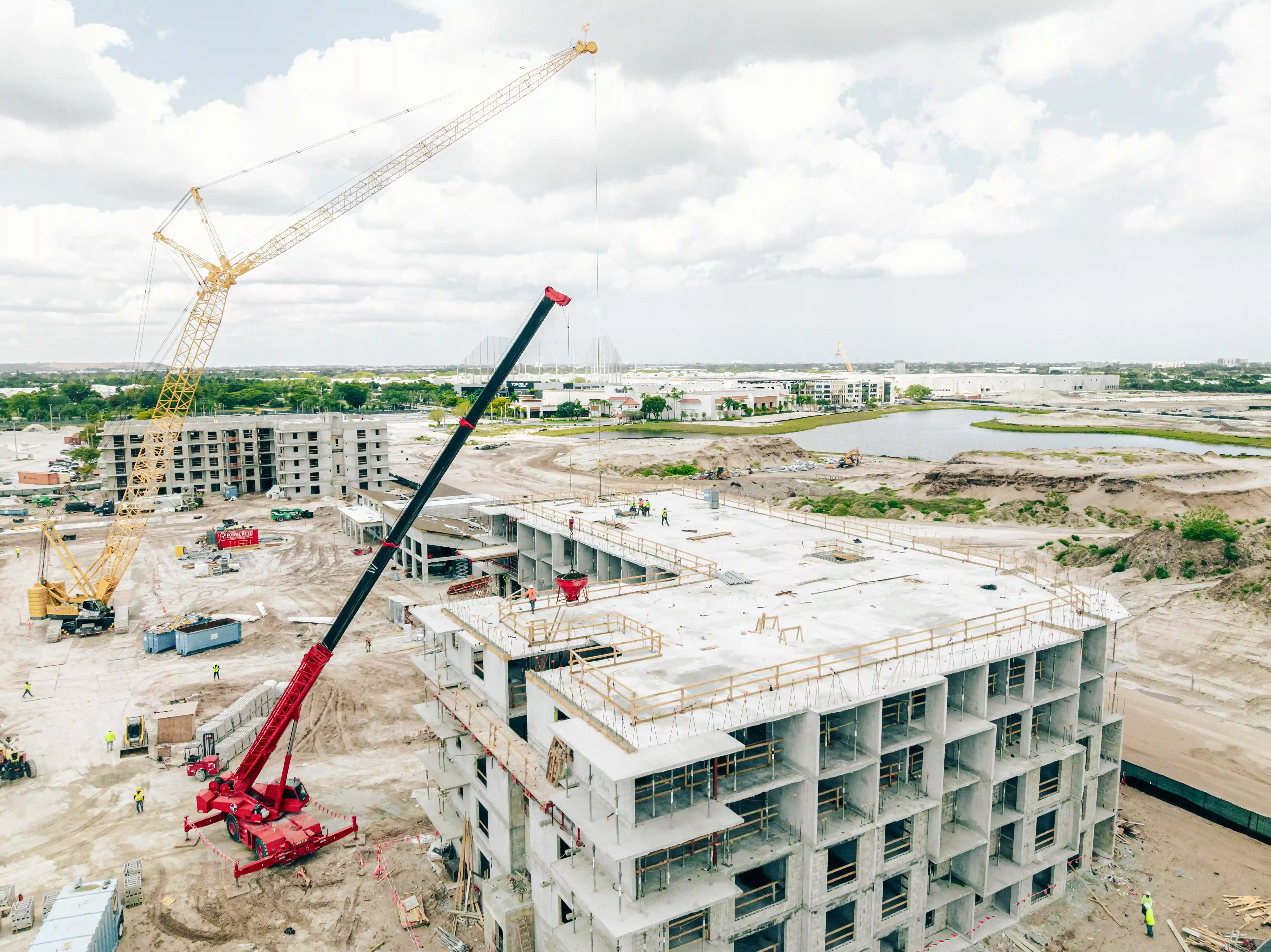
Recurring construction site inspections can catch an edge without guardrails before it causes an injury or an installation error before crews close the wall. A corrective action process keeps each finding visible until the responsible team confirms completion. Without that follow-through, the same issue may remain open into the next phase and surface again at closeout.
This guide explains what a construction site inspection covers and how inspection types change across project phases. It also outlines the safety inspection process and how contractors can use technology to document findings and track resolution.
What is a construction site inspection?
A construction site inspection is a documented, systematic review of site conditions and project work. In practical terms, an inspector compares what crews have built and how they perform the work with the requirements for that stage. Those requirements may come from project plans or safety standards, while certain inspections focus on building codes.
For example, an inspection might identify an access route blocked by stored materials. The responsible subcontractor or supplier must relocate the materials to an authorized laydown yard and ensure egress routes remain unobstructed.
Each inspection captures conditions at a specific point in time, so contractors repeat reviews as work progresses and jobsite conditions change. When teams correct findings promptly, regular reviews reduce hazard exposure and catch nonconforming work before later activities make repairs more disruptive.
What is the difference between a site safety audit and a construction site inspection?
A site safety audit is a periodic review of how a jobsite applies the contractor’s safety program. It examines procedures and records, then checks if crews follow them in the field. A construction site inspection is a more frequent walkthrough focused on current conditions and active work.
Who is responsible for inspections?
Inspection responsibility depends on its purpose. A contractor’s own safety and quality personnel usually conduct routine internal reviews. External inspections follow local requirements and often coincide with construction milestones. An inspector representing the authority having jurisdiction (AHJ) typically handles building code compliance, while a licensed third party may conduct certain code or environmental reviews.
Why are construction site inspections important?
Inspections catch quality or safety issues early, allowing crews to fix them before layers like drywall, concrete pours, or backfill cover them up. Efficient and timely inspections:
- Reduce safety risk: Routine inspections identify hazards while supervisors can correct them. Early inspection limits worker exposure and reduces the chance that unsafe conditions lead to an incident.
- Protect quality and project progress: Inspectors compare installed work with project specifications before the next activity begins. Catching an incorrectly placed sleeve before a concrete pour, for instance, avoids disruptive rework like cutting and core drilling to relocate the sleeve.
- Support regulatory compliance: Internal safety inspections help contractors identify conditions that may not meet applicable OSHA requirements. At required milestones, an AHJ inspector determines whether the work meets applicable building codes. Inspection records also document how the contractor addressed each finding.
Types of construction site inspections
Inspection categories describe what the reviewer examines, while project phases determine when each review happens. Preconstruction inspections confirm permit status and existing conditions, active-phase inspections catch work before it gets covered, and closeout inspections clear final approvals and punch lists. The categories below apply to all three.
Quality inspection
Quality inspections compare materials and installed work with approved submittals or contract specifications. The contractor’s quality team typically documents any deviation in a formal report, then tracks the required correction through completion.
A quality inspector discovers the subcontractor installed PVC conduits instead of the required metal ones before a concrete slab pour. The inspector logs this in a nonconformance report (NCR) with attached photos and references. Replacement work by the subcontractor must match the approved specification before the inspector can close out the NCR.
Health and safety inspection
Health and safety inspections assess work practices and changing jobsite conditions. Reviewers look for hazards related to the work underway, then confirm that crews use the required controls. OSHA requires employer safety programs to include frequent and regular jobsite inspections by designated competent persons.
A safety inspector stops a crew dry-cutting concrete block with no water or dust collection on the saw. Under the silica standard, the fix starts with the engineering control, a water-fed or vacuum-shrouded blade, with respirators layered on for the tasks that still require them. Work resumes after reinspection.
Building code and compliance inspection
Building code inspections include things like rough-in framing inspection, fire resistance, and final building inspections. These inspections happen at milestones set by the local AHJ.
An AHJ inspector checks the work against locally adopted codes and approved project documents. Some jurisdictions also authorize licensed third-party inspectors to conduct specific reviews. Since jurisdictions can amend model codes, contractors need to follow the requirements that apply to the project location.
Foundation and structural inspection
Foundation inspections check whether site preparation and reinforcing work match the approved design before concrete placement. Structural inspections later examine load-bearing work and critical connections. Inspectors need to catch deviations before crews pour concrete or apply loads because corrections become more disruptive after that point.
A structural engineer discovers the rebar spacing on a foundation is too wide compared to the drawings. The contractor fixes the spacing before the concrete pour to avoid having to jackhammer into the concrete later.
Mechanical, electrical, and plumbing (MEP) inspection
MEP inspections verify that building service installations match approved plans and applicable codes. Inspectors may check routing and required clearances before ceilings or walls conceal the work. This timing allows crews to correct conflicts without reopening finished areas.
An MEP inspector discovers that a water supply line runs directly through the path designated for a major ventilation duct. The plumbing subcontractor reroutes the pipe a few inches to the side to avoid tearing down finished ceilings to resolve the issue.
Environmental inspection
Environmental inspections assess whether construction activity follows applicable permit conditions for stormwater management, habitat protection, and air quality.
On projects with stormwater permit coverage, reviewers commonly examine erosion controls and pollution-prevention measures. Project operators usually assign qualified personnel to conduct required inspections, while regulators may perform separate compliance reviews. Exact responsibilities depend on the applicable state or EPA construction stormwater permit.
How to inspect a construction site for safety in 5 steps
Construction site inspections cover several disciplines, but contractors typically oversee routine internal construction site safety inspections. The following five steps show how these reviews move from preparation to correction.
1. Reviewing project plans and prior inspection records
The inspector checks current plans and job safety analyses (JSAs) to determine what to review. They look at the previous week’s log to see if recurring hazards like unbuckled safety harnesses or improperly stored materials were actually fixed.
2. Conducting a structured jobsite walkthrough
The inspector follows a consistent route through active work areas and observes tasks as they happen. The review covers equipment operation and required PPE, along with any conditions that could expose workers to harm.
3. Documenting findings
Each finding identifies the location and observed condition. Photos provide surrounding context, while a severity rating establishes the response priority.
4. Assigning corrective actions and submitting the report
The contractor applies defined severity criteria before finishing up the construction inspection report:
- An imminent-danger condition, like a fatal fall risk, triggers immediate stop-work order in the affected area. The contractor removes exposed employees until the team controls the hazard.
- A serious finding, like a frayed extension cord with exposed wiring, requires a prompt correction based on the level of risk.
- A minor finding, like an incomplete first-aid kit, may receive a later due date.
Every finding that requires correction on the inspection checklist needs a named responsible party who is tasked with fixing the issue. The inspector then submits the completed report to the site superintendent and safety lead. The contract or another applicable requirement determines whether external parties also need a copy.
5. Following up to confirm resolution
The inspector follows up by returning to the physical location or reviewing photographic proof that the crew addressed the hazard. Tracking keeps overdue actions visible, while repeated findings can reveal gaps. Uncovering the same issue on three consecutive walks means the site has a procedure or training problem.
Inspection tools and technology
Instead of relying only on paper checklists and handwritten notes, inspectors can use mobile software to record findings during the walkthrough. Here are a few capabilities contractors use to standardize inspections and track corrections:
- Digital checklist builders standardize inspections with reusable templates like separate forms for excavation and hot work. A revised template applies to inspections issued after the revision, which is why the effective date matters when a form changes mid-project.
- Mobile and offline capture enable inspectors to snap photos, log GPS locations, and use voice-to-text on smartphones to record inputs. Platforms with offline storage sync automatically when service returns.
- Corrective action tracking automatically converts failed inspection items into assigned tasks with due dates. The actions link directly to the report to ensure accountability and follow-through.
- Cross-project reporting centralizes data from multiple jobsites so contractors can filter findings by hazard category and spot systemic issues like recurring ladder defects.
Build a connected inspection process with Miter Safety
A completed construction site inspection should name who owns each correction, and the finding should remain open until the reviewer verifies the fix.
Miter Safety builds that follow-through into the same Miter app crews use to clock in, so field teams don’t need a separate safety app. When an inspector fails a checklist item, they can raise an observation on that item without leaving the checklist, and it submits with the form. The observation routes to a default assignee, and the corrective work becomes a safety action with an owner and a due date. Miter then sends due-soon and overdue reminders until the action is closed.
Crews can also log incidents from the jobsite using photos or voice notes. Miter turns that input into a structured report for investigation and corrective action. Because Miter already holds incident details and hours worked, it maintains the OSHA 300 log. Safety teams can also generate OSHA 301 forms and the 300A summary.
Each inspection, assigned correction, and verified fix stays tied to the relevant job and crew.