9 most common construction site hazards
Blog
Safety

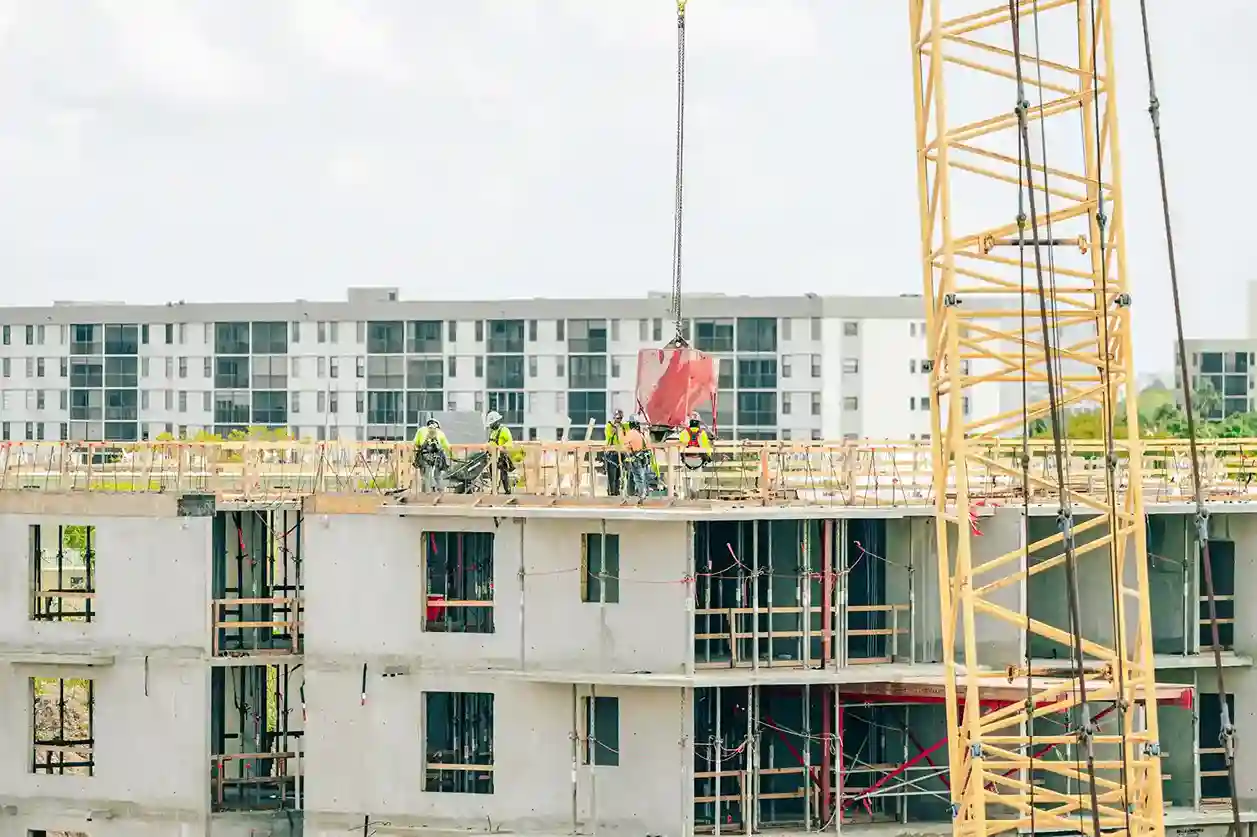
Construction is notoriously dangerous, accounting for more annual workplace deaths than any other industry. Not all construction work carries the same level of risk. While there are a wide range of hazards on jobsites, there are four that pose the greatest danger to workers. These hazards are known as the OSHA fatal four, and operations leaders must control them across jobsites to protect workers and comply with safety regulations.
This article is a practical overview of OSHA’s fatal four in construction. It’ll cover what contractors need to know about each risk and how to build prevention into jobsite operations.
The fatal four hazards, also known as OSHA’s focus four, refer to the leading causes of construction worker deaths:
These hazards account for more than 60% of construction fatalities, and falls alone make up more than half.
Here’s an overview of construction’s fatal four hazards.
Slips, trips, and falls are responsible for the most construction deaths each year out of the fatal four. This may be because construction workers of all trades frequently work on elevated structures. Crews commonly have to navigate around scaffolding, ladders, and open roof edges.
Struck-by incidents are the second most common cause of deaths in the fatal four. These occur when a worker is hit by an object such as a tool, debris, or vehicle. Even small objects can cause injury or death if they strike a worker, especially if the individual isn’t wearing proper safety gear.
There are four categories that describe the way a striking object can move:
Electrocution deaths can occur when workers come into physical contact with live wires or energized equipment. Depending on the concentration of energy and surrounding environmental factors, these shocks can be fatal. Electrocution isn’t a trade-specific risk. ESFI found that 70% of workplace electrical fatalities across all industries hit workers in nonelectrical occupations.
Caught-in or caught-between incidents happen when a worker is crushed between equipment, collapsing structures, or heavy materials. What separates these hazards from struck-by incidents is they involve the worker being trapped or compressed between two objects.
Below are some examples of how the fatal four can actually harm workers in practice.
To minimize the risk of death and injury and avoid costly OSHA violations, construction leaders need to maintain compliance both in the evaluation and control processes. Here’s how.
Routine risk assessments and jobsite safety analyses help operations leaders identify risks before harm can be done. This type of proactive safety measure allows contractors to establish site-specific safety plans with controls to eliminate, replace, or isolate hazards.
Preparing workers with role-specific safety training is a requirement under federal law and OSHA standards. If a worker is going to be exposed to certain hazards, they need to receive appropriate training to avoid injury and death. Some states also require workers to complete OSHA 10 or OSHA 30 courses, depending on their role.
Proper training and relevant certifications ensures all workers on the jobsite are familiar with broad and role-specific safety procedures. This information helps them avoid preventable errors and respond to hazards effectively.
Routine toolbox talks help crews stay alert for fatal four hazards on the jobsite. Not all projects are the same, so good meetings also specify which safety precautions workers should keep in mind at each jobsite.
Vehicles and rolling equipment are a major cause of struck-by and caught-between fatalities. Contractors should perform daily pre-shift vehicle inspections, establish traffic management protocols, and install back-up warning signals to reduce vehicle-related hazards.
PPE such as hard hats, gloves, and safety glasses can protect workers from hazards during risky activities. However, these protections rely heavily on worker compliance and still aren’t guaranteed to prevent injury or death. Contractors should provide all the required PPE workers need to do each job safely and stress the importance of using the right tools.
In addition to PPE, engineering controls can help prevent workers from coming into contact with hazards in the first place. Protective railings, proper ventilation, and wireless electrical tools are all examples of engineering controls that can reduce exposure to fatal four incidents.
Falls, struck-by incidents, electrocutions, and caught-in/between accidents cause the majority of jobsite deaths in the construction industry. Worker training, toolbox talks, and daily inspections help reduce these risks. But relying on disconnected systems to track and administer these procedures can lead to oversight that puts workers at risk.
Miter Construction Safety manages digital toolbox talks, hazard tracking, and incident logs to keep operations leaders aware and support OSHA-compliant, audit-ready recordkeeping. Contractors can also use Miter Learning to conduct OSHA 10, OSHA 30, and fatal four-related training. Miter tracks certifications earned in the platform alongside certifications issued elsewhere, so you can see which are current, which are expiring, and which are missing before a crew mobilizes.
Falls account for the most deaths out of the fatal four. This is because construction workers of all trades and experience levels frequently work at elevated heights.
OSHA covers struck-by hazard standards under 29 CFR 1926 in subparts, which involve signs, signals, and barricades as well as motor vehicles and mechanized equipment.
Yes, the fatal four and focus four are interchangeable terms for the same group of hazards.
Mostly. OSHA’s construction eTool puts it at roughly 75% involving heavy equipment such as trucks or cranes, though CPWR’s analysis of federal fatality data through 2021 puts transport vehicles closer to 48%.
Measures to prevent caught-in/between incidents include installing safety guards on all equipment, utilizing trench protection like shoring and shielding, and setting up exclusion zones in highly hazardous areas.
Yes, 29 CFR 1926.501 standards require fall protection at six feet or higher above a lower level. OSHA also requires fall protections at 10 feet on scaffolds and various safety thresholds for steel erections.